Finishing active orthodontic treatment is a milestone worth celebrating. After months or years of appointments, adjustments, and careful cleaning around brackets and wires, seeing your teeth settle into their final positions feels like a genuine achievement. But if you are coming to the end of your treatment, or if you have just had your braces removed, there is one step that matters just as much as the active phase: wearing retainers after braces. Without them, the teeth have a strong tendency to drift back toward their original positions, a process orthodontists call relapse. Understanding why that happens, and what you can do about it, will save you time, disappointment, and the cost of re-treatment later.
Teeth are not fixed rigidly in the jawbone. They are held by a network of fibres called the periodontal ligament, which allows slight movement under pressure. When braces apply gentle, sustained force, the bone remodels around the roots, and the teeth shift into new positions. But the periodontal ligament and the surrounding soft tissues need time to stabilise. For months after the braces come off, the fibres are stretched and compressed, and they will tend to pull the teeth back where they came from. This is not a failure of treatment. It is normal biology. The job of a retainer is to hold the teeth in place while the tissues reorganise and the bone fully consolidates.
I have seen patients who were meticulous during their active treatment but skipped or shortened their retainer phase because they felt their teeth had already settled. Within a year, minor crowding appeared, usually in the lower front teeth. Within two years, the alignment had shifted enough that the original problem started to return. That is frustrating to watch, especially when a simple nightly habit could have preserved the result. The reality is that retainers after braces are not an optional extra. They are part of the treatment plan from the start, and they should be treated as seriously as the braces themselves.
How Long Do You Actually Need to Wear Retainers?
The short answer is longer than most people expect. Many orthodontists now recommend indefinite wear, at least part time. Full-time wear for the first three to six months is standard, meaning you wear the retainers day and night except when eating, drinking, or brushing. After that, many patients switch to night-only wear, and they maintain that routine for years. Some people eventually reduce to two or three nights a week, but that depends on how stable the bite is and how much the teeth tend to drift. The safest advice is to keep wearing them until your orthodontist tells you otherwise, and to expect that to be a long-term commitment.

Age matters here too. Younger patients, whose jaws are still growing, may need a longer full-time period because the bone is still changing shape. Adults tend to have more stable bone, but their teeth can still shift, especially if there has been any gum recession or if the bite is deep. There is no one-size-fits-all timeline. What matters is regular check-ups so your orthodontist can assess whether the retainers still fit well and whether the teeth have stayed put. If you stop too early, the relapse can happen quietly and gradually, and by the time you notice it, reversing it may require a whole new round of braces.
Fixed Retainers vs. Removable Retainers
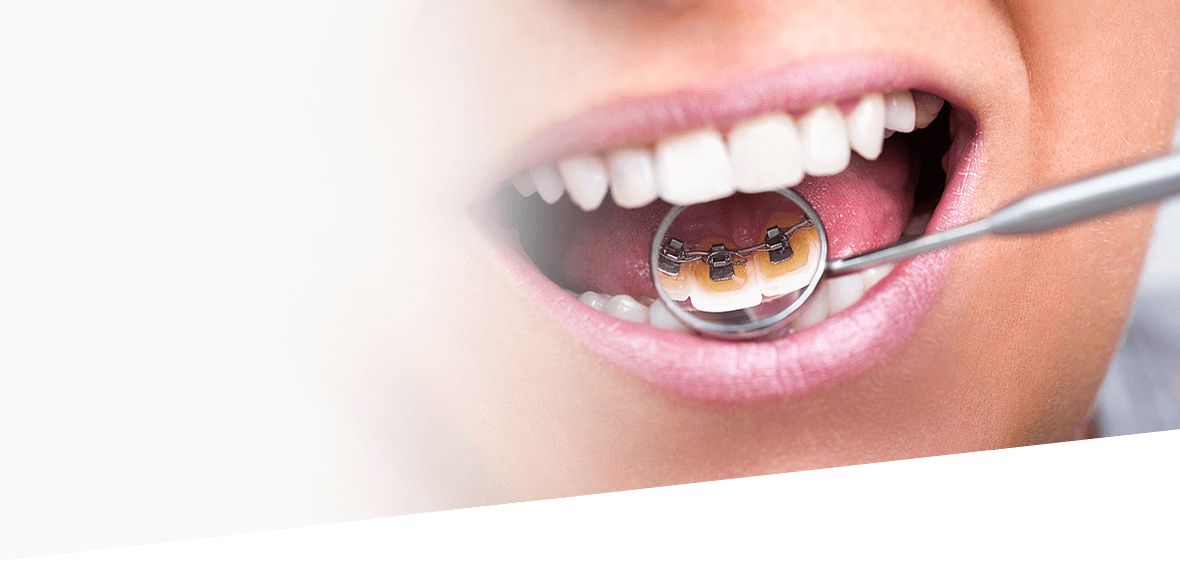
There are two main types of retainers, and each has its place. Fixed retainers consist of a thin wire bonded to the back of the front teeth, usually on the lower arch and sometimes on the upper. They stay in place permanently, so you do not have to remember to put them in every night. That is a big advantage for consistency. But they require careful cleaning because food and plaque can build up around the wire, and if the bond fails, the retainer stops working without you noticing immediately.
Removable retainers, often clear plastic Essix or Hawley types, are worn over the teeth and can be taken out for eating and cleaning. They give you more control over your oral hygiene, but they rely on your discipline to wear them every night. If you forget for a few days in a row, the teeth can shift slightly, and the retainer may feel tight when you put it back in. That tightness is a warning sign that relapse has already started. Many orthodontists recommend a combination: a fixed retainer on the lower front teeth, where relapse is most common, plus a removable retainer for the upper arch. Your orthodontist will advise what works best for your specific case.
Common Mistakes People Make With Retainers
One of the most frequent issues I encounter is patients assuming that if the retainer still fits, everything is fine. In reality, a retainer can feel snug while the teeth have already moved a small amount, because the plastic or wire adapts slightly to the new position. By the time the retainer feels loose, the shift may be significant. That is why regular professional monitoring matters. Your orthodontist can compare current records to the end-of-treatment photos and spot subtle changes you might miss.
Another mistake is wearing a retainer that is broken or worn out. Removable retainers wear down over time. The plastic can crack, the wires can bend, and the fit becomes less precise. If you notice any damage, replace the retainer promptly. Wearing a damaged retainer is almost as risky as wearing none at all. Similarly, if you have a fixed retainer and one end comes loose, see your orthodontist right away. Do not leave it loose for weeks hoping it will hold. It will not.

When Retainers Cause Problems
Retainers are generally low-maintenance, but they are not trouble-free. Some patients find that removable retainers cause a temporary lisp, especially in the first week. That usually resolves as your tongue adjusts. If it persists, the retainer may need a small adjustment. Fixed retainers can occasionally trap food and contribute to gum inflammation if cleaning is not thorough. Flossing around a bonded wire takes a bit of practice, but it is perfectly possible with a floss threader or interdental brush. Ignoring the cleaning leads to swollen gums, and swollen gums can make the retainer feel tight even when the teeth have not moved. So proper hygiene is part of making the retainer work.
I have also seen cases where a fixed retainer was too rigid for a patient whose bite continued to settle naturally. In those rare situations, the retainer can actually prevent the teeth from finding their most stable occlusion. That is why your orthodontist should check the retainer at every visit and be ready to modify or replace it if the bite changes. Retainers are not set-and-forget devices. They need the same oversight as the active braces.
Why You Should Choose a Specialist for Your Retainer Care
Retainers are custom-made for your teeth, and their design and fit depend on the skill of the orthodontist who plans them. A general dentist can make a retainer, but they may not have the same understanding of how your teeth moved during treatment and how stable the final positions are. An orthodontic specialist brings that specific knowledge. At practices like retainers after braces Scottish Orthodontics, the team has deep experience with both fixed and removable retainers, and they tailor the retainer plan to each patient's unique bite and growth pattern. That personalisation makes a real difference in long-term stability.
Another advantage of sticking with your orthodontic practice for retainer follow-up is continuity. They have your original records, your treatment history, and they know which movements were hardest to achieve. They can spot early relapse faster because they know exactly what the end-of-treatment result looked like. A new provider would be starting from scratch, and they might not notice subtle changes that your original orthodontist would catch immediately. For that reason, many patients choose to return to their orthodontic practice for retainer checks and replacements, even years after the braces came off.
Retainers After Braces Scottish Orthodontics: Practical Advice You Can Use
If you are looking for clear, practical guidance on retainers after braces Scottish Orthodontics is a good place to start. The team there emphasises that retention is not a short phase but a long-term partnership with your orthodontist. They recommend that patients bring their retainers to every check-up so the fit can be assessed while the teeth are clean and dry. They also advise storing a spare retainer, because losing or breaking a retainer at the weekend can mean several days without wear, and that is enough time for minor movement to occur.
For anyone nearing the end of their braces treatment, my strongest piece of advice is to treat the retention phase with the same seriousness as the active phase. Do not let the excitement of having straight teeth trick you into thinking the work is done. It is not. The retention phase is where the result is secured, and it is entirely within your control. Wear your retainers as directed, keep them clean, replace them when needed, and see your orthodontist regularly. That routine will keep your smile stable for decades, not just for the first year after the braces come off.
One last thought: retainers do not have to be a burden. Once you get into the habit of putting them in before bed, it becomes as automatic as brushing your teeth. The peace of mind that comes from knowing your teeth are staying exactly where your orthodontist placed them is worth the small nightly effort. And if you ever have questions about how long to keep wearing them, or whether a particular retainer type is still right for you, ask your orthodontist. They have seen hundreds of cases and can give you advice based on real outcomes, not general rules. That is the kind of guidance that makes retainers after braces a success story, not a regret.
 Facebook
 Instagram